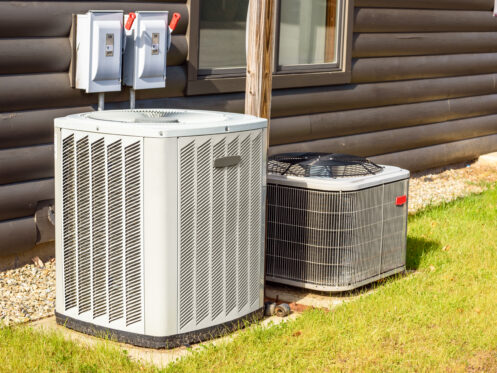
Spring in Zebulon, NC, rarely follows a script. Cool mornings can flip into humid afternoons without warning. Your heat pump handles both heating and cooling, so it works harder during this transition. If performance slips, you may notice uneven temperatures, higher bills, or weak cooling when you need relief.
At Landen Heating and Cooling, we want homeowners to stay ahead of seasonal changes. A little preparation now can help prevent bigger problems later. When your system runs efficiently, your home feels more consistent and comfortable. Here is what matters most as summer approaches.
Why Seasonal Changes Impact Heat Pumps
Spring forces your system to switch between heating and cooling more often. These quick changes can expose issues that stay hidden when the system runs in only one mode. As humidity rises across North Carolina, your system also has to remove more moisture from the air. If it struggles, your home may feel damp even when the temperature looks fine on the thermostat.
Preparing early helps your system handle longer cooling cycles once summer settles in. Small issues can grow quickly during periods of heavy demand. Taking action now helps support steady performance and reduces the chance of a mid-season breakdown.
Check and Replace Air Filters
Your air filter plays a major role in system performance. During spring, it collects pollen, dust, and debris. A clogged filter blocks airflow and forces your heat pump to work harder. That extra strain can reduce efficiency and increase wear over time.
Replace your filters every 1 to 3 months to keep air moving freely. Clean airflow supports even temperatures and better indoor air quality. It is still smart to check the filter monthly during heavy-use seasons.
Clear the Outdoor Unit
Your outdoor unit needs room to breathe. Leaves, grass, dirt, and other debris often gather around it during spring. When airflow gets blocked, the system cannot release heat as effectively as it should. That can reduce cooling performance and make the system run longer than necessary.
Clear debris and trim back nearby plants. Keep at least a few feet of open space around the unit. This buffer supports better airflow and more efficient operation.
Test Thermostat Performance
Before switching fully to air conditioning, test your thermostat settings. Set it to cooling and watch how the system responds. Make sure it starts properly, cools the home consistently, and shuts off normally.
If you use a smart thermostat, review your schedule as the weather changes. Adjust settings to match your spring and summer routine. Accurate thermostat settings help reduce wasted energy and improve comfort.
Check Airflow in Every Room
Uneven airflow can make your home feel inconsistent from one room to the next. Walk through each room and check the vents. Make sure air flows freely, and nothing blocks the openings. Blocked vents can contribute to hot spots, cold spots, and reduced comfort.
Move furniture, curtains, or rugs away from supply and return vents. Even small changes can improve circulation. If airflow issues continue, a technician may need to inspect the system.
Watch Indoor Humidity Levels
Humidity often becomes one of the biggest comfort challenges in North Carolina. Even mild temperatures can feel uncomfortable when moisture starts to build indoors. Your heat pump removes humidity as it cools the air. If it cannot keep up, the air may start to feel heavy or sticky.
Pay attention to how your home feels during warmer days. Persistent humidity may signal a system issue or airflow problem. Addressing it early can improve comfort and indoor air quality.
Schedule Professional Maintenance
Yearly maintenance helps keep your system running at its best. During a tune-up, we inspect, clean, and adjust key parts. We check refrigerant levels, wiring, and cycle performance. This process can help catch minor issues before they become more serious.
A well-maintained system usually runs more efficiently and may last longer. It can also use less energy to cool your home. Scheduling service in spring helps prepare your system before outdoor temperatures climb. It is one of the most helpful ways to get ready for summer.
Look for Warning Signs Early
Your system often gives clues when something is not right. Listen for unusual noises like grinding, rattling, or buzzing. These sounds may point to loose parts or internal wear. Ignoring them can allow a small problem to become a much larger one.
Keep track of how long it takes your home to cool. Slower performance, frequent cycling, or rising energy bills can all signal trouble. Catching these warning signs now can help you avoid more expensive repairs later.
Understand Why Refrigerant Matters
Refrigerant allows your system to transfer heat effectively. Low refrigerant levels can reduce cooling power and force the system to run longer. Those extended cycles can increase energy use and put added strain on the compressor. Over time, that stress can contribute to major system damage.
If you notice ice buildup or weak cooling, call for service. Only certified technicians should handle refrigerant issues. Keeping refrigerant at the correct level supports efficient operation and helps protect the system from unnecessary strain. It also helps your heat pump cool more effectively during heavy summer use.
Prepare for Extended Cooling Cycles
As summer temperatures rise, your heat pump will likely run longer cooling cycles. That shift is normal, but it helps to prepare for it. Keep vents open and unobstructed so air can move where it needs to go. Allowing air to circulate can support more even comfort throughout the home.
Set a steady, realistic temperature instead of pushing the thermostat far below your usual setting. Turning it down drastically does not cool your home faster. It only makes the system run longer. A consistent setting helps keep your system efficient and effective.
Boost Energy Efficiency
Small improvements can make a big difference in energy use. Seal gaps around windows and doors to prevent air loss. Add insulation where needed to reduce heat gain. Run ceiling fans to improve comfort and air circulation. Keep blinds or curtains closed during the sunniest part of the day. These steps help your system work less.
Consider Ductwork Cleaning for Better Airflow
Your ductwork carries cooled air throughout your home. Over time, dust, debris, and allergens can build up inside these pathways. This buildup may restrict airflow and affect indoor air quality, especially during heavy-use seasons. It can also contribute to rooms that feel stuffy or less comfortable than others.
If buildup is present, ductwork cleaning may help your heat pump and cooling system move air more effectively. Better airflow can support more consistent temperatures and reduce circulating dust. An HVAC technician’s inspection can also reveal leaks or blockages that affect comfort and efficiency. Not every home needs regular duct cleaning, but visible buildup or airflow concerns can make it worth evaluating.
Prepare Your System for Summer
Preparing your heat pump now can help you stay more comfortable this summer in Zebulon, NC. At Landen Heating and Cooling, we provide heat pump service, air conditioning solutions, and seasonal maintenance for local homes. Our team also handles other comfort needs, including heating system support and indoor air quality services. Contact Landen Heating and Cooling today for more information!