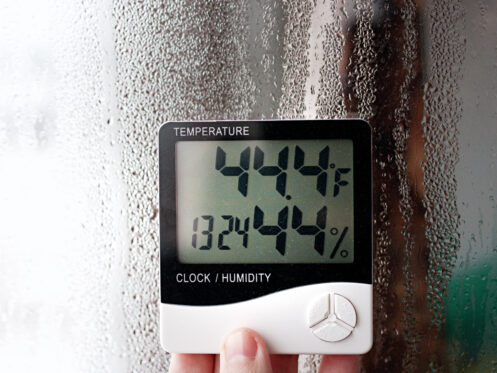
High humidity is a hallmark of early summertime in the Tar Heel State. Humidity levels can reach as high as 90%, making indoor air conditioning a necessity. Here are some tips to keep your house comfortable without cranking down the thermostat.
Dehumidifying Tools
Excess moisture in the air makes you feel hotter than it is. It promotes mold and mildew, which degrade indoor air quality and can damage your furniture, wood floors, and belongings. High humidity can also trap odors in your home’s air. Installing a whole-home dehumidifier can dramatically improve comfort, protect your home’s furnishings, and keep the air cleaner.
Additionally, use moisture-absorbing products inside your home. Place desiccant packets in areas of the house that are prone to higher humidity. Some places where you can use these products include the bathroom, linen closet, utility room, basement, and kitchen.
Home Maintenance and Improvement Tips to Lower Humidity
Routine home maintenance and improvements can also help lower the humidity inside your home. Check out ways to keep your house in good condition year-round for effective humidity control.
Look for and Seal Gaps
As summer approaches, inspect the windows and doors for any gaps. These openings can let in humid air from the outside. Use materials like silicone or acrylic caulk, silicone-enhanced latex, foam tape, and door sweeps to close gaps.
Also, add weatherstripping to your home’s exterior doors. Weatherstripping is made from durable materials like foam, rubber, metal, and felt. It helps keep moisture and humidity out of your home. This, in turn, helps lower your cooling costs and makes your home more comfortable during the summer.
Outdoor Tasks
During the spring, clean the gutters on your home’s roof. Clogged gutters prevent water from draining off your roof as it should. The water can then seep inside the attic and other parts of your home. Once inside, it can contribute to uncomfortably high humidity levels. Water can also pool around your foundation, seeping into the basement or crawlspace. Cleaning the gutters ensures rainwater drains off the roof and away from your home.
Once winter comes to an end, inspect and clean the outdoor unit. Remove debris like spider webs, leaves, and grass that may have built up on it. Use your garden hose to spray away debris inside the unit. Remove any items, such as bikes, lawn chairs, or lawn equipment, that you have stored close to it. Trim back bushes and overhanging tree limbs. Ensure the unit has at least 2 feet of space around it for proper airflow.
Repair Dripping Faucets and Sweating Pipes
Damaged plumbing fixtures like faucets and pipes add moisture to the air inside your home. Inspect the plumbing regularly, checking for sweating pipes and water pooled under cabinets or around the bathtub or toilet basin. Likewise, repair or replace leaky faucets as needed.
Replace the HVAC Air Filters
Change the air filters in your cooling system regularly. This helps maintain proper airflow into the HVAC system and throughout your home. If you have indoor pets, you may need to change the filters every 30 days. Otherwise, change them every 60 to 90 days to help maintain a cool, comfortable indoor environment.
Daily Humidity Control Tips
Your daily routines can influence the humidity levels in your home. Discover practical ways to adjust these routines to help lower the moisture in the indoor air.
The Dryer and Other Appliances
Your dryer can add to the humidity inside your house. The moisture from the clothes makes the utility room and nearby areas feel hot and clammy during the summer. If possible, hang your clothes on a clothesline outside your home to help maintain a comfortable indoor humidity level.
Appliances like the dishwasher and washer can also generate heat and humidity inside your home. When you run them during the daytime, your air conditioning system will have to work harder to keep your home cool and comfortable. During the summer, run these appliances at night when the outdoor temperature is cooler.
Be Mindful of Kitchen Humidity
Even something as innocuous as simmering pots can contribute to higher indoor moisture levels. As you cook, keep lids on boiling or simmering pots. Additionally, run the vent hood over your stove while cooking. The vent will help remove excess moisture in the air and prevent it from escaping into other parts of the house.
Run the Bathroom Exhaust Fan
Heat and humidity from showering and bathing can contribute to sticky indoor air. During bathing or showering, turn on the bathroom exhaust fan. Then, run it for at least 20 minutes afterward to help bring down the humidity level.
Close the Blinds and Curtains
You can also make it more difficult for humidity to enter the house by closing your blinds and curtains during the daytime. This simple tip reduces the heat load inside your house. It can also go a long way in preventing your air conditioner from struggling to maintain the set thermostat temperature.
Improve Indoor Air Circulation
It can be easy to assume that closing the bedroom, bathroom, and other doors inside your home helps create a cooler environment. However, the cooled air from your AC needs to circulate evenly throughout your house. Closing the doors can restrict air circulation and make the house feel hotter and more humid. Keep them open to ensure air can flow evenly and help maintain a cool, drier atmosphere.
Also, change the direction that your ceiling fans run. It should run clockwise in winter and counterclockwise in summer. Running counterclockwise pushes air down and creates a cooling breeze. The increased circulation helps air flow more evenly throughout the house, lowering the indoor humidity and helping your HVAC system run more efficiently.
HVAC Humidity Control Tips
Your air conditioner can contribute to higher indoor humidity if it isn’t used or maintained properly. Setting the fan to Auto helps the system remove moisture more effectively. When on Auto, the fan shuts off between cooling cycles, allowing condensation to drain away. When the fan is set to On, it runs continuously and can re-evaporate some of that moisture from the coil, sending it back into your home. While this effect is usually minor, using the Auto setting generally provides better humidity control.
Regular, professional maintenance is a crucial step in helping your AC keep you comfortable and fun efficiently. In spring, contact our team at Landen Heating and Cooling to schedule a yearly tune-up for your cooling system. This service helps ensure your air conditioner works effectively. It can also extend the lifespan of your cooling system. It prevents minor issues, such as worn components and loose parts, from becoming bigger and more expensive problems later.
Reliable North Carolina IAQ Services
At Landen Heating and Cooling, we have more than a decade of experience providing reliable indoor air quality services in North Carolina. Our experienced technicians offer services like air conditioner maintenance and dehumidifier installation. We can also install air scrubbers to significantly improve your IAQ. As our customer, you can rely on our team for free estimates. Contact Landen Heating and Cooling for experienced indoor air quality and air conditioning services today.